If you are unhappy with the appearance of one or more teeth, you may have heard about dental veneers and cosmetic dental bonding.
Both treatments can improve the appearance of teeth, but they work differently and may be appropriate for different cosmetic concerns.
So, when comparing dental veneers vs. bonding, which option is right for you?
The answer depends on several factors, including the condition of your teeth, the type of cosmetic improvement you want, your budget, and how long you want the results to last.
At True Dental in Schertz, Texas, our team evaluates your smile and discusses your goals before recommending a cosmetic dental treatment.
What Are Dental Veneers?
Dental veneers are thin, custom-made shells designed to cover the visible front surface of teeth.
They can be made from materials such as porcelain or other dental ceramics and are designed to improve the appearance of the smile while maintaining a natural-looking result.
Depending on your individual needs, veneers may be used to address concerns such as:
-
Discolored teeth
-
Certain chips or minor damage
-
Irregular tooth shape
-
Small gaps
-
Uneven-looking teeth
-
Certain cosmetic imperfections
Veneers are primarily a cosmetic treatment. Your dentist must first determine whether your teeth and gums are healthy enough for the procedure.
What Is Dental Bonding?
Dental bonding is a cosmetic procedure in which a tooth-colored composite resin material is applied to the tooth and shaped to improve its appearance.
The material is carefully matched to the surrounding teeth and hardened using a specialized dental light.
Bonding may be useful for certain cosmetic concerns, including:
-
Small chips
-
Minor cracks
-
Small gaps
-
Slight changes in tooth shape
-
Minor discoloration
-
Uneven edges
One advantage of bonding is that it can often be completed relatively quickly.
Dental Veneers vs. Bonding: The Main Difference
The biggest difference is how the restoration is created and applied.
With dental bonding, your dentist applies composite resin directly to the tooth and shapes it during the appointment.
With veneers, a custom-made restoration is designed specifically for the tooth and bonded to its front surface.
Both treatments can improve the appearance of your smile, but they have different characteristics in terms of durability, appearance, maintenance, cost, and treatment process.
Appearance
Both veneers and bonding can produce natural-looking results when carefully planned and performed.
Veneers can provide a highly customized appearance because their shape, shade, and proportions are planned before placement.
Dental bonding is also capable of producing attractive results, particularly when treating smaller imperfections or making subtle changes to individual teeth.
Your dentist can help determine which treatment is more appropriate based on your smile goals.
Durability
Durability is another important consideration.
Dental bonding can be effective for many patients, but composite resin may be more susceptible to staining, chipping, and wear than some veneer materials.
Veneers can also chip or become damaged, but certain types of veneers are designed to provide longer-term cosmetic performance when properly cared for.
The actual lifespan of either treatment depends on factors such as oral hygiene, bite forces, habits, material, placement, and maintenance.
Patients who grind or clench their teeth may need additional protection to reduce stress on cosmetic restorations.
Treatment Time
Dental bonding can often be completed in fewer appointments because the material is applied and shaped directly on the tooth.
Veneers typically require more planning because the restorations need to be designed and fabricated before final placement.
The exact timeline depends on the number of teeth being treated and the specific treatment plan.
If you are looking for a relatively quick cosmetic improvement, bonding may sometimes be a suitable option. If you are seeking a more comprehensive smile transformation, veneers may be worth discussing.
Tooth Preparation
Another important difference is tooth preparation.
In some cases, dental bonding can be performed with minimal alteration to the natural tooth structure.
Veneers may require some preparation of the tooth depending on the type of veneer and the treatment plan.
Because every smile is different, your dentist should explain exactly what preparation will be necessary before treatment begins.
Cost Considerations
Cost can vary considerably depending on the treatment, number of teeth involved, materials, complexity, and dental practice.
Generally, bonding may have a lower initial cost per tooth than veneers.
However, the least expensive option is not automatically the best option for every patient.
When comparing treatments, consider the overall value, expected longevity, appearance, maintenance requirements, and your personal goals.
Your dentist can explain the expected costs and available options during a consultation.
Which Treatment Is Better for Discolored Teeth?
The answer depends on the type and severity of discoloration.
For certain types of staining, professional teeth whitening may be a better first step.
If discoloration does not respond adequately to whitening, cosmetic bonding or veneers may be considered depending on the condition of the teeth.
It is important to identify the cause of discoloration before choosing a cosmetic procedure.
For example, certain internal discolorations may require a different treatment approach than ordinary surface staining.
Which Treatment Is Better for Chipped Teeth?
Small chips can often be treated effectively with dental bonding.
The dentist can add tooth-colored composite material to the damaged area and carefully shape it to recreate the tooth's natural appearance.
For more significant cosmetic concerns, veneers may be another option.
The appropriate treatment depends on how much tooth structure has been affected and whether the tooth has underlying damage.
Can Veneers and Bonding Fix Gaps?
Both treatments may be used to improve the appearance of certain small spaces between teeth.
Bonding can add carefully shaped composite material to alter the appearance of the tooth.
Veneers can also change the shape and proportions of teeth to create a more balanced smile.
However, not every gap should be closed cosmetically.
Some spaces may be related to tooth positioning, gum health, bite issues, or missing teeth. Your dentist should determine the underlying cause before recommending treatment.
What About Teeth That Are Crooked?
If teeth are significantly misaligned, veneers or bonding may not be the best solution.
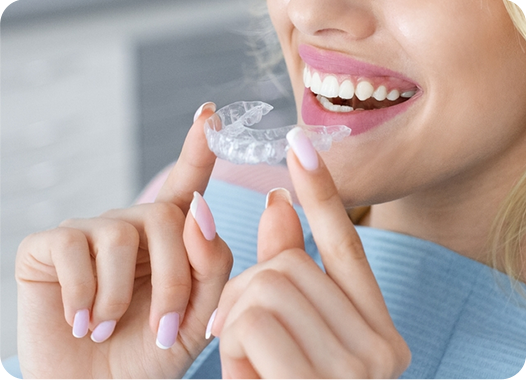
Orthodontic treatment, including traditional braces or clear aligners such as Invisalign, may be more appropriate for correcting the position of the teeth.
Cosmetic dentistry can improve the appearance of teeth, but it does not replace orthodontic treatment when significant movement is necessary.
Dental Veneers vs. Bonding: Which Should You Choose?
There is no universal answer.
Dental bonding may be a good option if:
-
You have small cosmetic imperfections.
-
You want a potentially faster treatment.
-
You want to address a small chip or gap.
-
You prefer a more conservative cosmetic approach.
-
Your cosmetic concerns are limited to a few teeth.
Veneers may be worth considering if:
-
You want a more comprehensive cosmetic transformation.
-
You have multiple cosmetic concerns.
-
You want highly customized tooth shape and color.
-
You are looking for a long-term cosmetic option.
-
Your teeth are otherwise healthy and suitable for veneers.
Your dentist can compare both treatments after examining your teeth and discussing your goals.
Are Veneers Permanent?
Veneers are considered a long-term cosmetic treatment, but they are not indestructible or necessarily permanent for life.
They can eventually require replacement due to normal wear, damage, changes in the underlying tooth, or other oral health concerns.
Taking care of your veneers is therefore important.
How to Protect Cosmetic Dental Work
Whether you choose bonding or veneers, good oral hygiene remains essential.
Protect your investment by:
-
Brushing twice a day.
-
Flossing or cleaning between your teeth daily.
-
Visiting your dentist regularly.
-
Avoiding chewing ice.
-
Avoiding biting hard objects.
-
Not using your teeth to open packages.
-
Wearing a nightguard if recommended for grinding or clenching.
-
Contacting your dentist if you notice damage or changes.
Cosmetic dentistry works best when combined with good overall oral health.
Why Choose True Dental for Cosmetic Dentistry in Schertz?
Choosing cosmetic dental treatment is a personal decision. You want results that look natural, feel comfortable, and fit your overall smile.
At True Dental in Schertz, Texas, our approach combines modern dental technology with personalized care.
Whether you are considering veneers, bonding, professional teeth whitening, Invisalign, or another cosmetic treatment, our team can evaluate your smile and explain the options available for your individual needs.
Rather than choosing a treatment based solely on price or appearance, we believe patients should understand the benefits, limitations, and long-term considerations of each option.
Schedule a Cosmetic Dentistry Consultation in Schertz, TX
If you are comparing dental veneers vs. bonding, the best place to start is with a professional evaluation.
The right treatment depends on your teeth, oral health, cosmetic goals, bite, and expectations.
At True Dental, we can help you understand your options and develop a treatment plan designed around your smile.
Whether you want to repair a small chip, improve tooth shape, address discoloration, or achieve a broader smile transformation, our team is here to help.
Looking for cosmetic dentistry or veneers in Schertz, TX? Contact True Dental at (210) 201-6969 to request an appointment.