A dental crown can restore a damaged tooth, improve its appearance, and help protect it from further damage. But one of the most common questions patients have before getting a crown is: How long do dental crowns last?
In general, a well-made dental crown can last many years, but its lifespan depends on several factors, including the material used, your oral hygiene habits, your bite, diet, and how well the underlying tooth and surrounding gums are maintained.
At True Dental in Schertz, Texas, we focus on creating comfortable, personalized dental treatment plans designed around each patient's oral health, function, and long-term goals.
If you are considering a dental crown in Schertz, understanding what affects its lifespan can help you protect your investment and maintain a healthy smile.
What Is a Dental Crown?
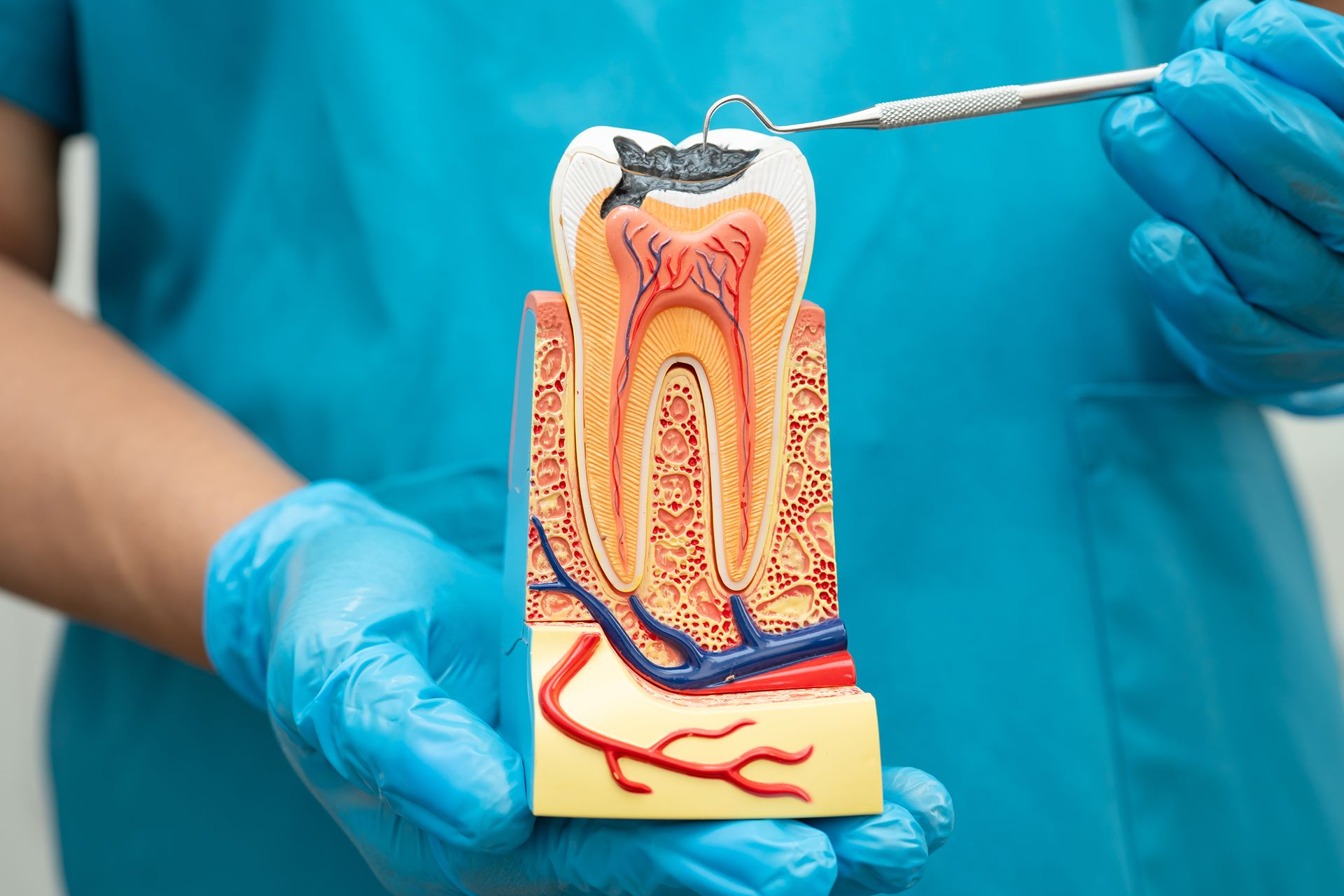
A dental crown is a custom-made restoration that covers a damaged or weakened tooth. Unlike a filling, which restores only part of a tooth, a crown covers the visible portion of the tooth above the gumline.
Dentists may recommend a crown when a tooth has experienced significant damage that cannot be effectively restored with a traditional filling.
Dental crowns may be used for several reasons, including:
-
Protecting a weakened or cracked tooth
-
Restoring a tooth after a root canal
-
Repairing a severely worn or damaged tooth
-
Supporting a tooth with a large filling
-
Improving the shape or appearance of a tooth
-
Completing certain dental implant restorations
The goal is not simply to place a crown but to restore the tooth's strength, function, appearance, and long-term stability.
How Long Do Dental Crowns Last?
The lifespan of a dental crown varies from person to person. Many crowns can function effectively for 10 to 15 years or longer when they are properly placed and maintained.
However, there is no guaranteed expiration date for a crown.
Some crowns may need replacement sooner, while others can remain functional for considerably longer. The condition of the tooth underneath the crown, oral hygiene, bite forces, and daily habits all play important roles.
Here are seven factors that can affect how long your dental crown lasts.
1. The Material Used for the Crown
The type of material used can influence a crown's durability, appearance, and suitability for a particular tooth.
Modern crowns can be made from several materials, including:
-
Porcelain
-
Ceramic
-
Zirconia
-
Porcelain-fused-to-metal
-
Other dental alloys
Different materials have different characteristics. Some are particularly strong, while others are selected because they closely resemble natural tooth enamel.
Your dentist can evaluate the location of the tooth, your bite, cosmetic goals, and overall oral health before recommending the most appropriate option.
2. Your Oral Hygiene Routine
One of the biggest factors affecting the lifespan of a dental crown is the health of the teeth and gums surrounding it.
A crown itself cannot develop a traditional cavity in the same way natural enamel can. However, the natural tooth underneath and around the crown can still be affected by decay if oral hygiene is neglected.
To protect your crown:
-
Brush twice a day with fluoride toothpaste
-
Floss or clean between your teeth every day
-
Keep regular dental appointments
-
Follow your dentist's recommendations for professional cleanings
-
Pay attention to changes around the crowned tooth
Good oral hygiene helps protect both the restoration and the natural tooth underneath it.
3. Your Bite and Grinding Habits
Your bite can place significant pressure on your teeth.
Patients who regularly clench or grind their teeth may place considerably more force on crowns than someone without these habits.
Bruxism, commonly known as teeth grinding, can contribute to excessive wear and may increase the risk of damage to dental restorations.
If you grind your teeth, your dentist may recommend a custom nightguard or another strategy to reduce excessive pressure while you sleep.
If you regularly wake up with jaw soreness, headaches, tooth sensitivity, or signs of tooth wear, mention these symptoms during your dental appointment.
4. Your Diet and Eating Habits
What you eat and how you eat can also affect your crown.
Frequently chewing extremely hard foods or using your teeth to open packages can place unnecessary stress on both natural teeth and dental restorations.
Try to avoid habits such as:
-
Chewing ice
-
Biting hard objects
-
Opening packages with your teeth
-
Frequently chewing very hard candy
-
Biting directly into unusually hard foods
A crown is designed to function like a tooth, but that does not mean it should be used as a tool.
5. The Condition of the Tooth Underneath
A crown protects a tooth, but the underlying tooth still matters.
If the natural tooth underneath becomes weakened, develops decay, or experiences other complications, the crown may eventually require treatment or replacement.
This is particularly important for teeth that have already undergone extensive treatment.
Regular dental examinations allow your dentist to monitor the crowned tooth and surrounding structures before small problems become more serious.
6. The Quality and Fit of the Crown
A properly designed and fitted crown should work naturally with the surrounding teeth and your bite.
The fit matters because an improperly fitting restoration may contribute to problems with comfort, chewing, hygiene, or the surrounding tissues.
Modern dental technology can help dentists evaluate teeth and surrounding structures with greater precision.
At True Dental, advanced technology and detailed diagnostics are incorporated into treatment planning to help provide precise, personalized care.
7. Regular Dental Checkups
Even if your crown feels completely normal, routine dental visits are important.
A crown does not eliminate the need for regular dental care.
During an examination, your dental team can evaluate:
-
The crown's condition
-
The tooth underneath it
-
The surrounding gums
-
Your bite
-
Signs of wear or damage
-
Overall oral health
Early detection can sometimes prevent a minor issue from becoming a larger problem.
Signs Your Dental Crown May Need Attention
Contact your dentist if you notice changes involving a crowned tooth.
Potential warning signs include:
-
Persistent tooth pain
-
New sensitivity
-
Pain when biting
-
A loose crown
-
A cracked or chipped crown
-
Rough or sharp edges
-
Swelling around the tooth
-
Changes in the gum tissue
-
Food repeatedly becoming trapped around the crown
A damaged or loose crown should not simply be ignored. Your dentist can determine whether the crown can be repaired, needs adjustment, or should be replaced.
Can a Dental Crown Be Replaced?
Yes. Dental crowns can be replaced when necessary.
Replacement may become appropriate if a crown is damaged, worn, loose, poorly fitting, or if the underlying tooth develops a problem.
Before replacing a crown, your dentist will typically evaluate the condition of the tooth and surrounding tissues. The recommended treatment depends on what caused the problem and how healthy the underlying tooth remains.
How Can You Make Your Dental Crown Last Longer?
The good news is that many of the factors affecting crown longevity are within your control.
To help your crown last as long as possible:
-
Brush twice daily.
-
Clean between your teeth every day.
-
Attend regular dental examinations.
-
Avoid chewing ice and other extremely hard objects.
-
Do not use your teeth to open packages.
-
Tell your dentist if you grind or clench your teeth.
-
Consider a protective nightguard if recommended.
-
Contact your dentist if the crown becomes loose or uncomfortable.
-
Maintain a balanced diet and good overall oral health.
-
Follow your dentist's personalized care instructions.
When Should You Consider a Dental Crown?
If you have a cracked, weakened, heavily restored, or severely damaged tooth, a dental crown may be one option your dentist considers.
However, not every damaged tooth needs a crown. Your dentist should evaluate the tooth and discuss the available treatment options before deciding what is appropriate.
The best treatment depends on the amount of remaining tooth structure, the tooth's location, your bite, your oral health, and your individual goals.
Restore and Protect Your Smile at True Dental
A dental crown is more than a cosmetic restoration. When appropriate, it can help restore a tooth's strength, function, and appearance while protecting the remaining natural tooth structure.
At True Dental in Schertz, Texas, our team combines advanced technology, modern dentistry, and compassionate care to create personalized treatment plans for patients and families.
If you have a damaged or weakened tooth and are wondering whether a dental crown is right for you, schedule a consultation with True Dental. Our team can evaluate your smile, explain your options, and help you make an informed decision about your dental health.
Looking for dental crowns in Schertz, TX? Contact True Dental at (210) 201-6969 to request an appointment.