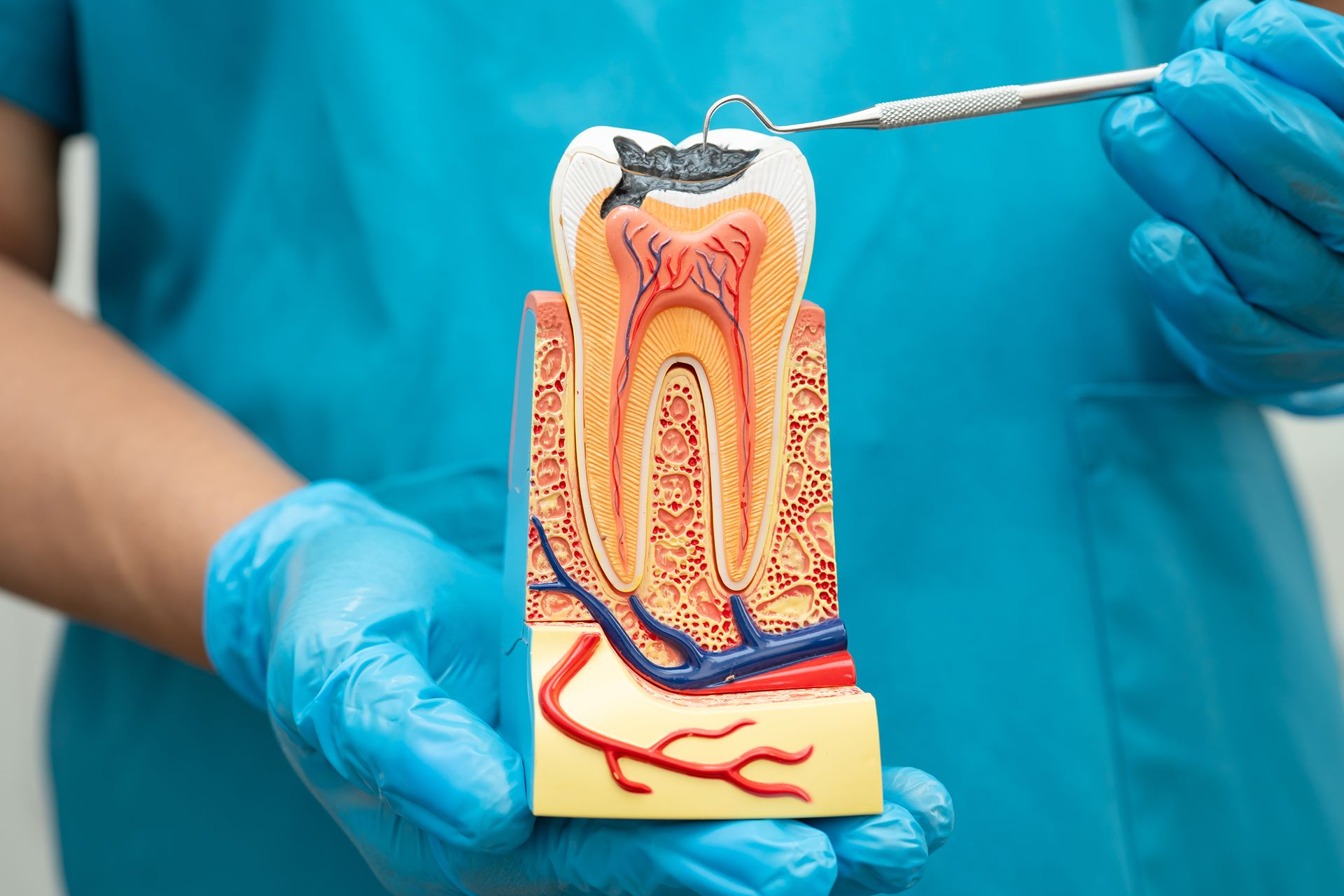
When you hear the words "root canal," one of the first questions that may come to mind is, "How long does a root canal take?" Whether you're experiencing tooth pain or sensitivity or have been told you need root canal treatment, knowing what to expect can make the process feel much easier.
A root canal is a common dental procedure designed to treat infection or inflammation inside a tooth and help preserve your natural smile. While some root canals can be completed in a single visit, others may require two or more appointments, depending on the condition of the tooth.
At True Dental, we believe patients in Schertz, TX, should have clear, understandable information before beginning dental treatment. In this guide, we'll explain how long a root canal takes, what affects treatment time, what happens during the procedure, and how to care for your tooth afterward.
How Long Does a Root Canal Take?
In general, a root canal takes approximately 60 to 90 minutes per appointment, although the actual time can vary. Some straightforward treatments may be completed in about an hour, while more complex cases can take longer.
The time required depends on several factors, including:
-
The location of the affected tooth
-
The number of root canals inside the tooth
-
The severity of the infection
-
Whether the tooth has been treated previously
-
The need for additional dental procedures
Front teeth often have simpler root canal anatomy, while molars typically have multiple roots and canals, which can make treatment more time-consuming.
Your dentist will examine your tooth and explain the expected treatment time based on your specific needs.
Can a Root Canal Be Completed in One Visit?
Yes, some root canals can be completed in a single dental appointment. However, not every patient or tooth is suitable for one-visit treatment.
During the examination, your dentist will determine whether the infection, tooth structure, and overall condition allow treatment to be completed in one session.
A single-visit root canal may be possible when:
-
The tooth can be properly cleaned and treated.
-
The root canal anatomy is manageable.
-
There are no complications requiring additional care.
-
The dentist determines that completing treatment in one appointment is appropriate.
In other situations, a second appointment may be recommended. This is particularly relevant when the tooth requires additional infection management, monitoring, or restorative work.
The goal is not simply to finish quickly. It is to treat the tooth carefully and support a healthy, lasting result.
What Happens During a Root Canal Procedure?
Understanding the treatment process can help you feel more prepared for your appointment. Although every case is different, a typical root canal involves several important steps.
1. Examination and Diagnosis
Before starting treatment, your dentist examines the affected tooth and may take dental X-rays. This helps identify the location of the problem, assess the root structure, and determine the appropriate treatment approach.
Your dentist will also discuss your symptoms and answer any questions you may have about the procedure.
2. Numbing the Tooth
Local anesthesia is used to numb the area around the affected tooth. This helps make the procedure more comfortable.
If you are nervous about dental treatment, let your dental team know. Discussing your concerns before treatment can help you feel more at ease.
3. Cleaning the Root Canals
The dentist creates an opening in the tooth to access the infected or damaged pulp. The affected tissue is removed, and the root canals are carefully cleaned and disinfected.
This is an important part of treatment because the canals need to be prepared properly before they are sealed.
4. Sealing the Tooth
After cleaning, the root canals are filled and sealed to help prevent further contamination. Depending on your situation, the dentist may place a temporary restoration or proceed with a more permanent restoration.
5. Restoring the Tooth
After a root canal, the tooth may need a filling or dental crown to restore its function and protect it from further damage.
Your dentist will recommend the appropriate restoration based on the amount of remaining tooth structure and the tooth's location.
What Factors Affect Root Canal Treatment Time?
Although many patients want to know the exact length of their appointment, several factors can influence how long a root canal takes.
Tooth Location
Front teeth generally have simpler root canal anatomy, while molars may have multiple canals. This can affect the time required for cleaning and treatment.
Severity of Infection
If the tooth has significant infection or inflammation, your dentist may recommend additional treatment or appointments.
Root Canal Complexity
Curved, narrow, or difficult-to-locate canals can require additional time and careful attention. Previous root canal treatment may also make a case more complex.
Need for a Dental Crown
A root canal and the final restoration are related but separate parts of dental care. If a crown is recommended, you may need additional time for preparation, fitting, and placement.
A longer appointment does not necessarily mean something is wrong. Sometimes, careful treatment requires more time to address the tooth's specific anatomy.
Is a Root Canal Painful?
One of the most common concerns patients have is whether root canal treatment will hurt.
With appropriate local anesthesia, the procedure is generally performed to minimize discomfort. However, you may experience some tenderness or sensitivity after treatment.
Post-treatment discomfort can vary depending on the condition of the tooth and the treatment performed. Research reviewed by Cochrane found that both single-visit and multiple-visit root canal treatment can be associated with short-term pain, and neither approach is universally superior for every case.
If you experience significant pain, increasing swelling, or symptoms that concern you after treatment, contact your dentist for guidance.
How Long Does It Take to Recover From a Root Canal?
Most patients can return to their usual daily activities relatively soon after treatment, depending on the procedure and their individual recovery.
You may experience mild tenderness around the treated tooth. Your dentist will provide specific instructions for caring for your tooth and managing any discomfort.
Here are a few general tips to keep in mind:
-
Follow your dentist's post-treatment instructions.
-
Avoid chewing hard foods on a temporarily restored tooth.
-
Maintain regular brushing and flossing.
-
Attend any recommended follow-up appointments.
-
Contact your dental office if you experience unusual or worsening symptoms.
Remember that completing the root canal is only one part of protecting your tooth. A suitable final restoration and ongoing oral hygiene also matter.
When Should You Consider a Root Canal?
A dentist may recommend root canal treatment when the pulp inside a tooth becomes irreversibly inflamed or infected. This can occur because of deep decay, cracks, or dental trauma.
Possible symptoms include:
-
Persistent toothache
-
Sensitivity to hot or cold
-
Pain when biting or chewing
-
Swelling around the tooth
-
Darkening of the affected tooth
However, symptoms can vary, and some teeth requiring treatment may not cause noticeable pain.
If you experience persistent tooth discomfort, scheduling a dental examination can help identify the cause and determine whether root canal treatment is appropriate.
Root Canal Treatment in Schertz, TX
If you are searching for root canal treatment in Schertz, TX, True Dental can help you understand your dental care options.
We believe that informed patients can feel more confident about their treatment decisions. During your appointment, your dentist can explain the condition of your tooth, discuss the expected treatment process, and answer questions about appointment length and recovery.
The time required for a root canal depends on your individual dental needs, so a personalized examination is the best way to receive an accurate estimate.
Frequently Asked Questions About Root Canal Treatment
1. How long does a root canal take on average?
A root canal commonly takes around 60–90 minutes per appointment, although some treatments may take less or more time. The American Association of Endodontists notes that endodontic treatment generally requires one or two visits lasting approximately an hour or less.
2. Can a root canal be completed in one day?
Yes. Some root canals can be completed in one appointment, while others require multiple visits. The decision depends on the condition and complexity of the tooth.
3. How long does a root canal take on a molar?
Molar root canals may take longer because molars often have multiple canals and more complex anatomy. Your dentist can provide a more specific estimate after examining the tooth.
4. Can I go back to work after a root canal?
Many patients can return to work after treatment, but this depends on the procedure, your comfort level, and your dentist's recommendations. Follow any specific instructions provided by your dental team.
5. How long does a root canal last?
A properly treated and restored tooth can function for many years. Its longevity depends on factors such as the quality of treatment, the final restoration, oral hygiene, and the forces placed on the tooth.
Schedule Your Dental Appointment With True Dental
So, how long does a root canal take? In many cases, treatment takes about an hour to an hour and a half, but the exact time depends on your tooth and treatment needs.
If you have tooth pain or sensitivity, or have been advised to consider a root canal, don't delay getting professional dental advice. Early evaluation can help you understand your options and plan the next steps.